
Halloween History for Kids 2024
Related Articles: Halloween History for Kids 2024
- Halloween Gnomes: A Spooktacular Guide To The Mystical Creatures Of 2024
- Disney Family Halloween Shirts 2024: Spooktacular Styles For A Magical Night
- Halloween Disney Shirts 2024: Unleash The Spooky Magic
- Haunted Halloween At The Disney Castle: A Spooktacular Extravaganza
- Halloween Disney Villain Makeup: A Spooktacular Guide For 2024
Introduction
With enthusiasm, let’s navigate through the intriguing topic related to Halloween History for Kids 2024. Let’s weave interesting information and offer fresh perspectives to the readers.
Table of Content
Video about Halloween History for Kids 2024
Halloween History for Kids 2024
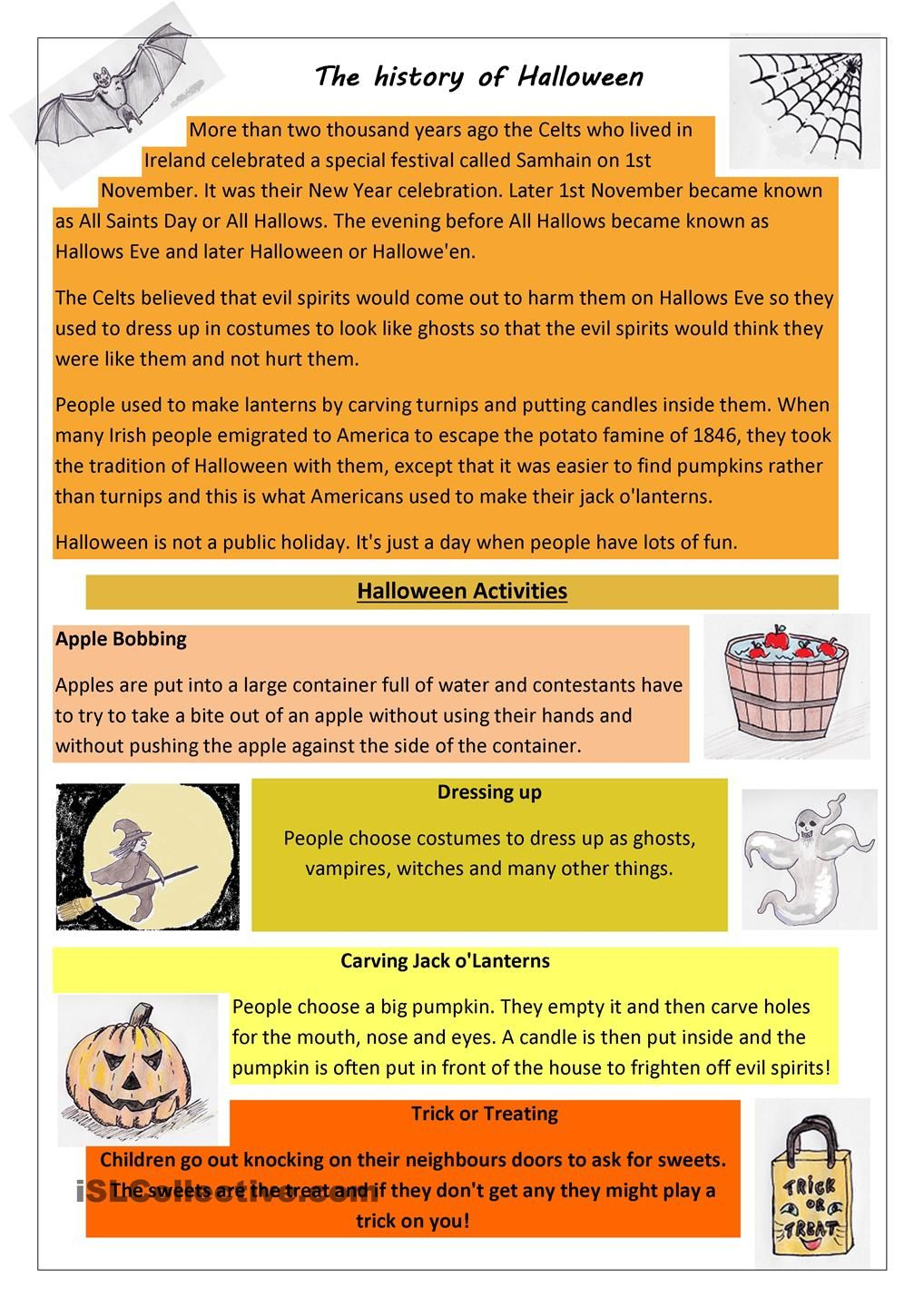
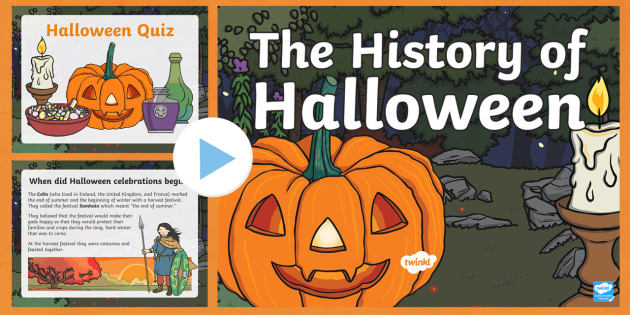
Halloween, a spooky and exciting holiday celebrated annually on October 31st, has a rich and fascinating history that spans centuries. Its origins can be traced back to ancient Celtic festivals and traditions, which have evolved and transformed over time into the Halloween we know today.
Origins in the Celtic Festival of Samhain
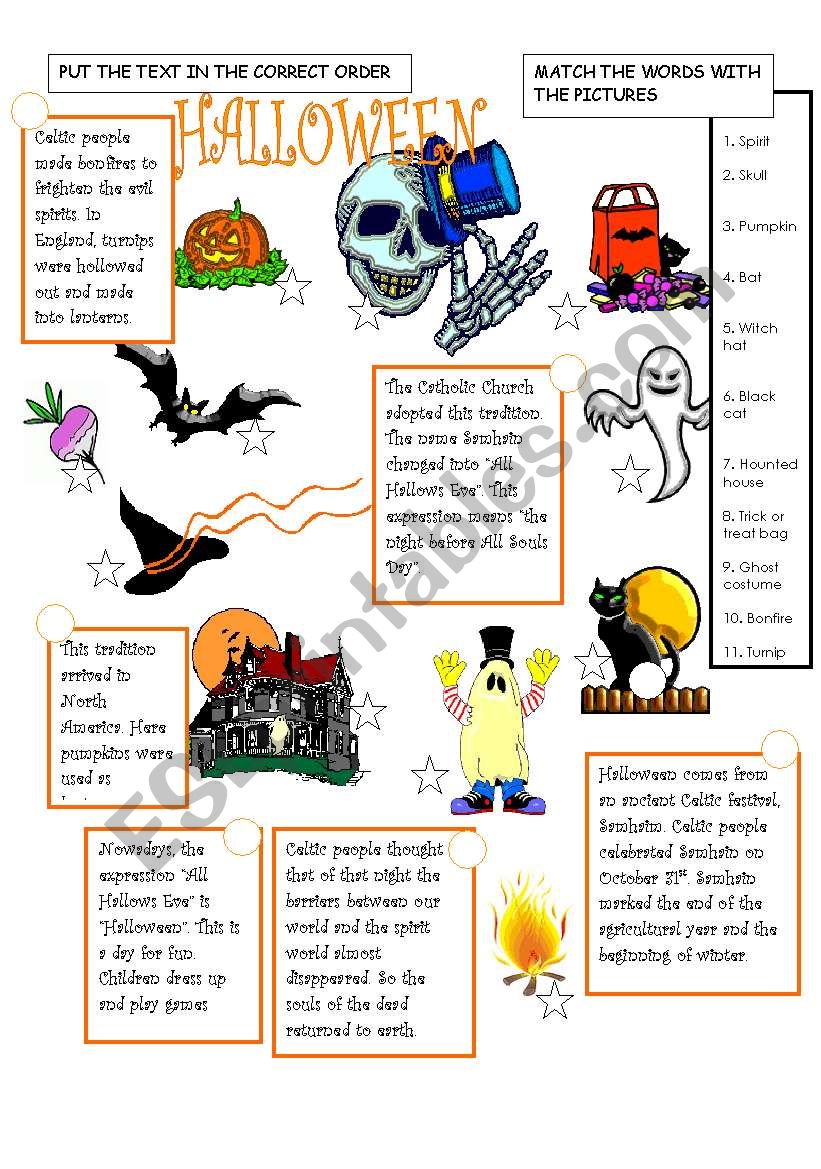
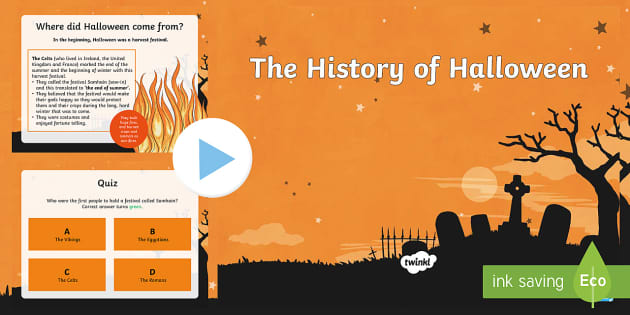
Halloween’s roots lie in the ancient Celtic festival of Samhain, which was celebrated by the Celts, who lived in Europe over 2,000 years ago. Samhain marked the end of the harvest season and the beginning of the cold, dark winter months. It was believed that on the night of Samhain, the boundary between the worlds of the living and the dead became blurred, allowing spirits to cross over.
Costumes and Trick-or-Treating
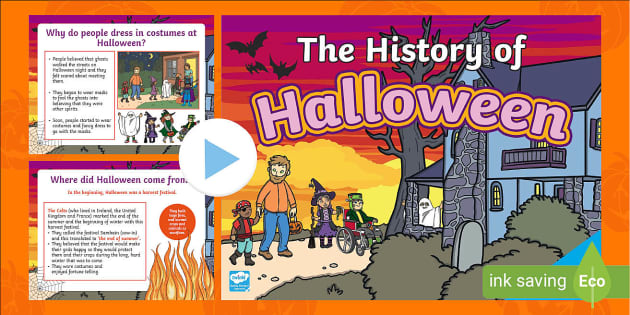
To ward off evil spirits, the Celts would wear costumes made of animal skins and masks. They would also light bonfires to scare away the spirits and offer food and drink to appease them. Over time, these practices evolved into the modern-day traditions of wearing costumes and trick-or-treating.
Roman Influence and Christianity
When the Romans conquered the Celtic lands in the 1st century CE, they adopted some of the Celtic customs associated with Samhain. They combined Samhain with their own festival of Feralia, which honored the dead. Later, when Christianity spread throughout Europe, the church attempted to replace Samhain with All Saints’ Day, which is celebrated on November 1st. However, many of the pagan traditions associated with Samhain persisted, blending with Christian elements to create the holiday we know as Halloween.
The Spread of Halloween to America
Halloween was brought to America by Irish and Scottish immigrants in the 19th century. It quickly gained popularity and became a widely celebrated holiday. In the early 20th century, Halloween became more commercialized, with the introduction of mass-produced costumes, decorations, and candy.
Modern-Day Halloween
Today, Halloween is celebrated in many countries around the world. It is a time for children to dress up in costumes, go trick-or-treating, and enjoy Halloween-themed activities. Adults also participate in Halloween festivities, attending costume parties, watching horror movies, and carving pumpkins.
Symbols of Halloween
Halloween is associated with a number of symbols, including:
- Pumpkins: Pumpkins are carved into jack-o’-lanterns, which are said to ward off evil spirits.
- Bats: Bats are often associated with Halloween because they are nocturnal creatures that are often seen around this time of year.
- Witches: Witches are a common Halloween symbol, representing the supernatural and the ability to cast spells.
- Ghosts: Ghosts are said to be the spirits of the dead who have returned to the world of the living.
- Black cats: Black cats are often associated with Halloween because they are believed to bring bad luck.
Halloween Traditions
In addition to costumes and trick-or-treating, Halloween is celebrated with a variety of traditions, including:
- Pumpkin carving: People carve pumpkins into jack-o’-lanterns, which are then lit with candles.
- Bobbing for apples: This game involves trying to catch an apple floating in a tub of water with your teeth.
- Telling ghost stories: Halloween is a time for telling spooky and scary stories.
- Halloween parties: People often throw Halloween parties, where they dress up in costumes and enjoy Halloween-themed food and drinks.
Halloween Safety Tips
Halloween can be a fun and exciting holiday, but it is important to prioritize safety. Here are some tips to keep kids safe on Halloween:
- Always go out with a group of friends or adults.
- Stick to well-lit areas.
- Be aware of your surroundings.
- Don’t eat candy that has been opened or tampered with.
- Carry a flashlight or glow stick.
- Respect other people’s property.
Conclusion
Halloween is a holiday with a long and fascinating history that has evolved over centuries. From its origins in the Celtic festival of Samhain to its modern-day traditions, Halloween continues to be a beloved holiday that is enjoyed by people of all ages. By understanding the history of Halloween, we can appreciate its cultural significance and celebrate it in a safe and enjoyable way.


Closure
Thus, we hope this article has provided valuable insights into Halloween History for Kids 2024. We hope you find this article informative and beneficial. See you in our next article!