
Halloween History 2024: Exploring the Origins and Traditions of the Spooky Holiday
Related Articles: Halloween History 2024: Exploring the Origins and Traditions of the Spooky Holiday
- Halloween Time At Disneyland 2024: A Spooktacular Extravaganza
- Disney Halloween Coloring 2024: A Spooktacular Guide To Bewitching Coloring Pages
- Halloween At Disney Parks 2024: A Spooktacular Extravaganza
- Disney Loungefly Halloween 2024: A Spooktacular Collection
- Halloween Escape Room 2024: A Spine-Tingling Adventure For The Brave
Introduction
With great pleasure, we will explore the intriguing topic related to Halloween History 2024: Exploring the Origins and Traditions of the Spooky Holiday. Let’s weave interesting information and offer fresh perspectives to the readers.
Table of Content
Video about Halloween History 2024: Exploring the Origins and Traditions of the Spooky Holiday
Halloween History 2024: Exploring the Origins and Traditions of the Spooky Holiday
Introduction
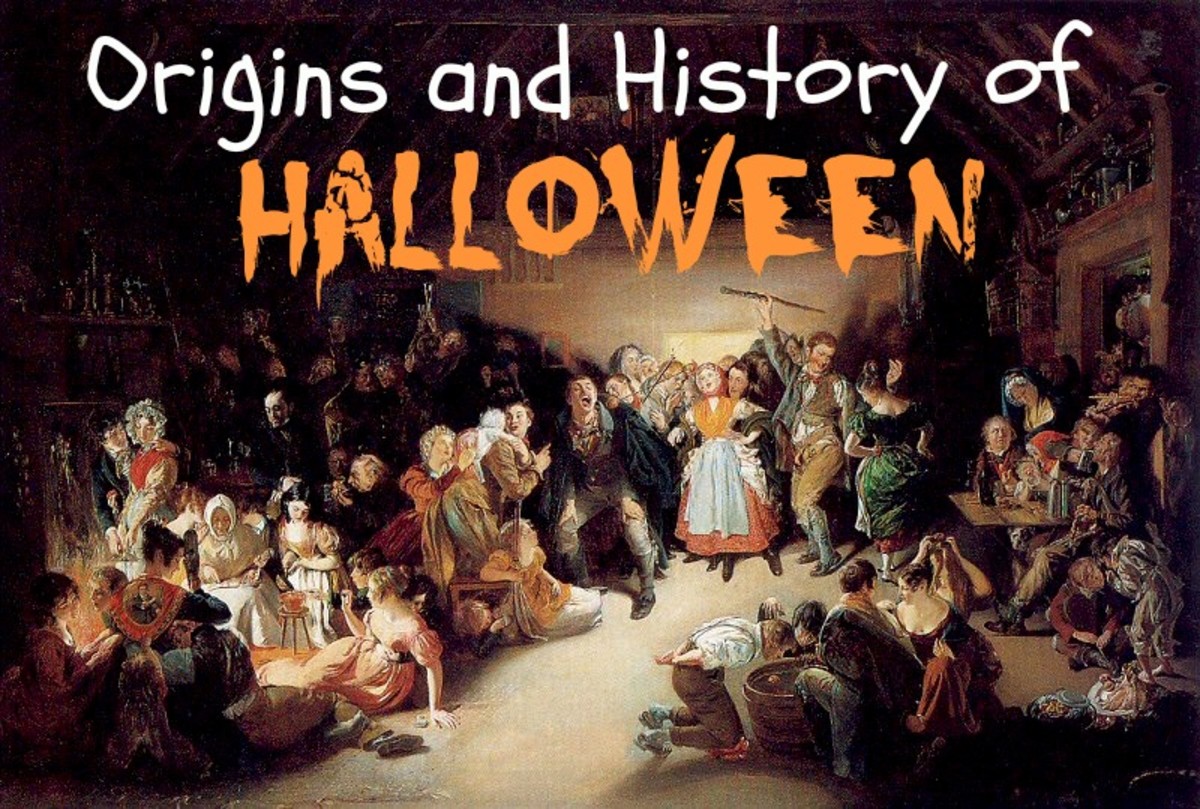
Halloween, a festival steeped in ancient traditions and folklore, has captivated imaginations for centuries. Celebrated annually on October 31st, it is a time when the veil between the living and the dead is believed to be at its thinnest, allowing spirits to roam freely. As we approach Halloween 2024, let us embark on a journey through its fascinating history to uncover its origins and unravel the mysteries behind its beloved customs.
Celtic Roots: The Festival of Samhain
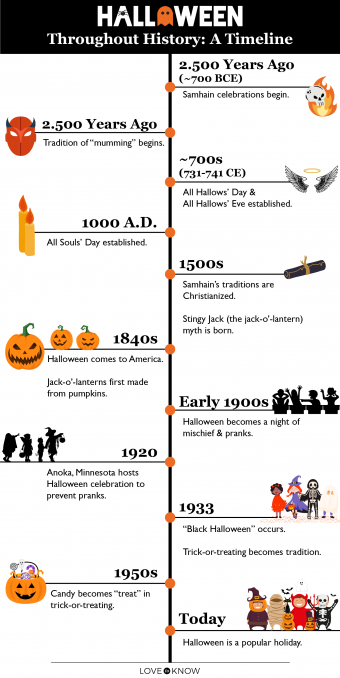
The origins of Halloween can be traced back to the ancient Celtic festival of Samhain, which was observed by the Celts, who inhabited Europe from around the 6th century BC. Samhain marked the end of the summer and the beginning of the dark, cold winter months. It was believed that on the night of Samhain, the boundary between the worlds of the living and the dead became blurred, allowing spirits to cross over into the realm of mortals.
To ward off these wandering spirits, the Celts would light bonfires, wear costumes made from animal skins, and offer food and drink to the spirits. They believed that by appeasing the spirits, they could prevent them from causing harm or mischief.
Roman Influence: The Feast of Pomona
When the Romans conquered the Celtic lands in the 1st century BC, they brought with them their own festivals and customs. One such festival was the Feast of Pomona, which celebrated the goddess of fruit trees and gardens. The Romans incorporated some of the traditions of Samhain into their own festival, such as the wearing of costumes and the lighting of bonfires.
Christianization: All Saints’ Day and All Souls’ Day
As Christianity spread throughout Europe, the Church sought to replace pagan festivals with Christian holidays. In the 8th century, Pope Gregory IV designated November 1st as All Saints’ Day, a day to honor all Christian saints. The day before All Saints’ Day became known as All Souls’ Day, a day to commemorate the dead.
Over time, the customs of Samhain, the Feast of Pomona, and All Saints’ Day and All Souls’ Day blended together to form the modern-day Halloween.
Halloween Traditions
Today, Halloween is celebrated in many countries around the world, each with its own unique traditions and customs. Some of the most popular Halloween traditions include:
- Trick-or-Treating: Children dress up in costumes and go door-to-door asking for candy, exclaiming "Trick or treat!"
- Costumes: People of all ages dress up in costumes, ranging from traditional monsters and ghosts to popular movie and TV characters.
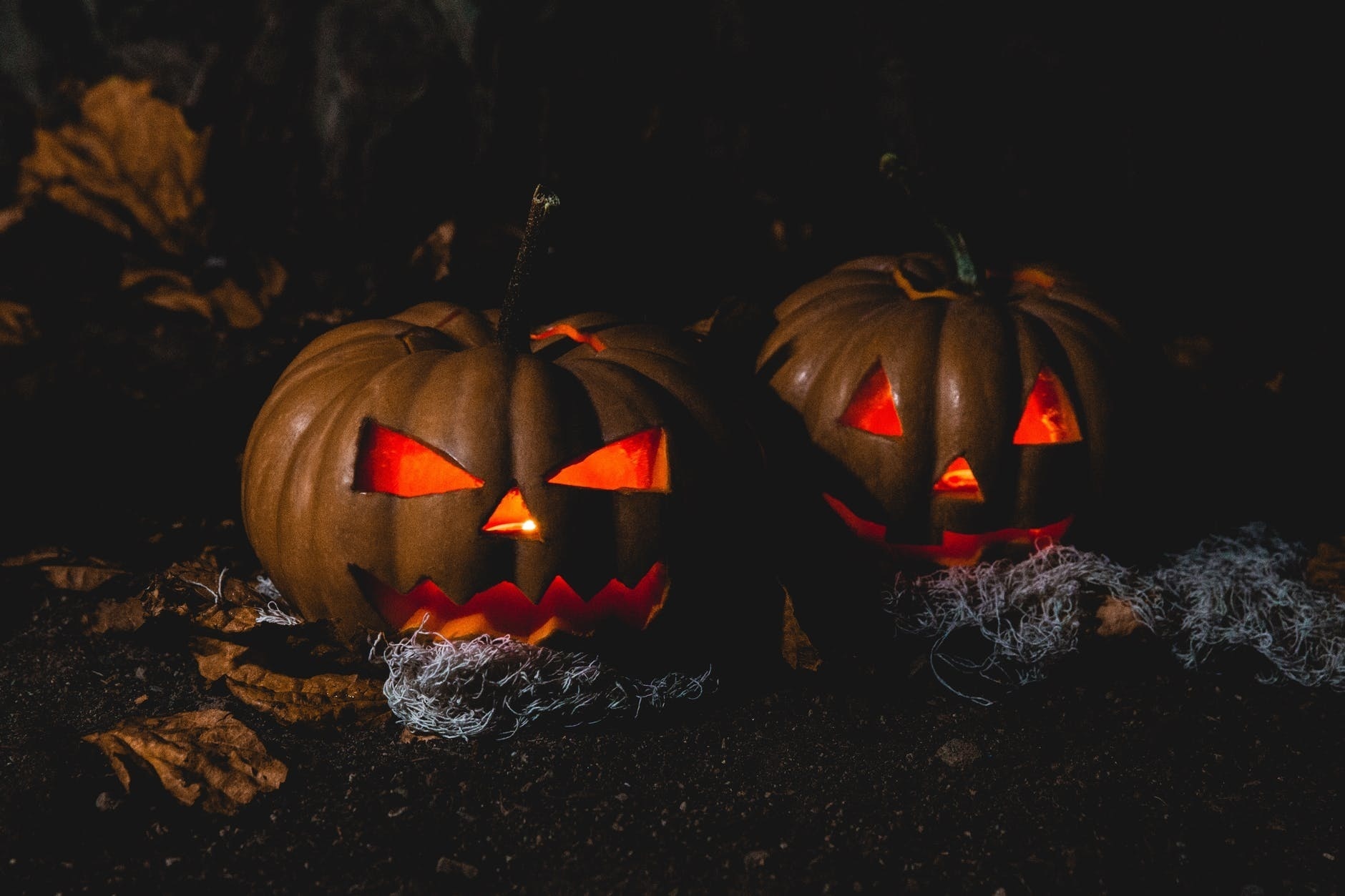
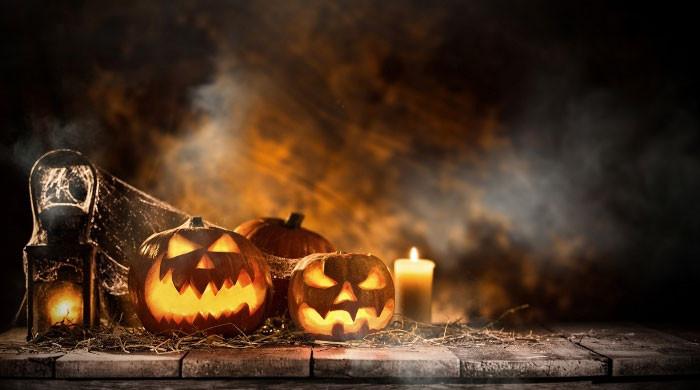
- Jack-o’-Lanterns: Pumpkins are carved into lanterns with spooky faces and illuminated with candles.
- Bonfires: Bonfires are lit to ward off evil spirits and create a festive atmosphere.
- Haunted Houses: People visit haunted houses to experience thrills and scares.
Halloween in 2024
Halloween 2024 falls on a Thursday, which means that many people will have a long weekend to enjoy the festivities. It is expected that Halloween 2024 will be a particularly lively celebration, as it has been several years since the holiday has fallen on a weekday.
Conclusion
Halloween is a holiday that has evolved over centuries, blending ancient Celtic traditions, Roman customs, and Christian beliefs. From its origins as a festival to honor the dead to its modern-day incarnation as a time for fun and costumes, Halloween has captivated imaginations for generations. As we approach Halloween 2024, let us embrace the spirit of the holiday, celebrate its rich history, and enjoy the spooky festivities that await us.



Closure
Thus, we hope this article has provided valuable insights into Halloween History 2024: Exploring the Origins and Traditions of the Spooky Holiday. We hope you find this article informative and beneficial. See you in our next article!